
The Hidden Factory Doors That Could Protect Your Family From Contamination Before It Happens
When we consider the safety of our families, we tend to think about more apparent dangers, such as food safety, clean water, or goods that we introduce into our households. But most of what we use in our everyday lives, such as medications, packaged foods, baby food, even electronics, have to travel through places that have to be kept in top condition. The invisible heroes of these processes are often the factory doors themselves, which are not only meant to seal a space, but to ensure a high level of contamination.
The factory cleanroom doors are not just ordinary ones. They serve as initial protection against dust, microbes and airborne particles that may impair the safety of products. Even minor intrusion in a regulated setting can get contaminants in without the right barriers in place, and these contaminants can get to food wrappings, delicate medical instruments, and more. This may find its way to the shelves and eventually, their homes.
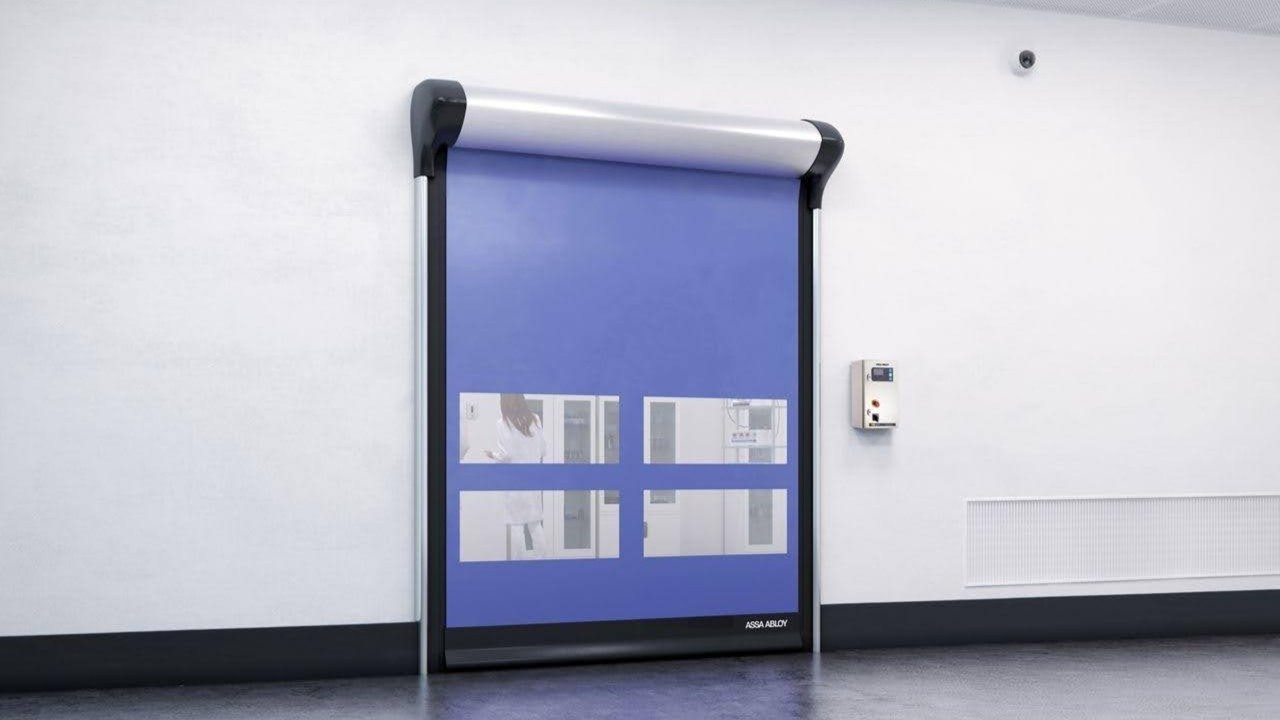
Conventional Fast Forward Doors such as Cleanroom High Speed Doors are designed to work fast with minimum time spent on outside air entry into the controlled area. Rapid operation, airtight seals, and durable materials are used to ensure a steady air quality, temperature and humidity. This assures families that the goods you purchase on a daily basis will have fewer chances of being contaminated innocently: the manufacturing conditions are secured at all levels.
As an example, consider a pharmaceutical plant that manufactures over-the-counter drugs. Employees travel continuously, transporting materials across production zones. In the absence of specialized doors, any opening may contribute to the introduction of unfiltered air, dust, or germs. Speedy clean room doors reduce this risk and therefore medications are sterile until they reach consumers. In the same way, food processing plants use cleanroom doors that ensure bacteria or other pathogens do not get into packaging areas, which preserve the quality of products and health of the population.
EFAFLEX is a well-known company that provides door solutions to industrial and cleanroom settings. Although their systems are not meant to be consumed by the end user themselves, they are very important in the chain of safety that can reach out to the families all over. These doors have integrated speed, sealing, and durability in order to enable the factory to remain at the required standards in order to make sure that what you take home is as safe as possible.
The advantages do not just end at protection. The functioning of the cleanroom is enhanced by cleanroom doors as well, since there are fewer interruptions in the sensitive zones. It implies that factories will be able to work more efficiently and be very safe. To parents it is reassuring to see that the behind-the-scenes infrastructure is carefully taken into consideration, not only about the product itself, but also about the people who will eventually use it.
Simply put, the doors that we do not notice much, those found in factories and cleanrooms, do affect our everyday life. They create a shield of protection, and the contamination has no opportunity to take place, and contributes to the preservation of the safety of the products that arrive at your home. Cleanroom structures such as Cleanroom High Speed Doors make sure that clean areas remain clean, and providers such as EFAFLEX assist in this important role with expert design and considered engineering.
The next time you pick a packaged product, medication, or processed food, think about how many layers of protection it had. These hidden systems are keeping families safe daily, through rigorous quality checks, high-speed doors that maintain sterile environments. Cleanroom technology can be an invisible expense to the consumer, but its effects on reliability and safety cannot be underestimated.
Factories maintain high standards by focusing on the problem of contamination with the help of high-quality cleanroom doors, which eventually protect families at their home and in their communities. It is a reminder that protection, in some cases, starts far earlier than a product hits the shelf- and with the correct systems in place, that protection tends to work surprisingly well.