
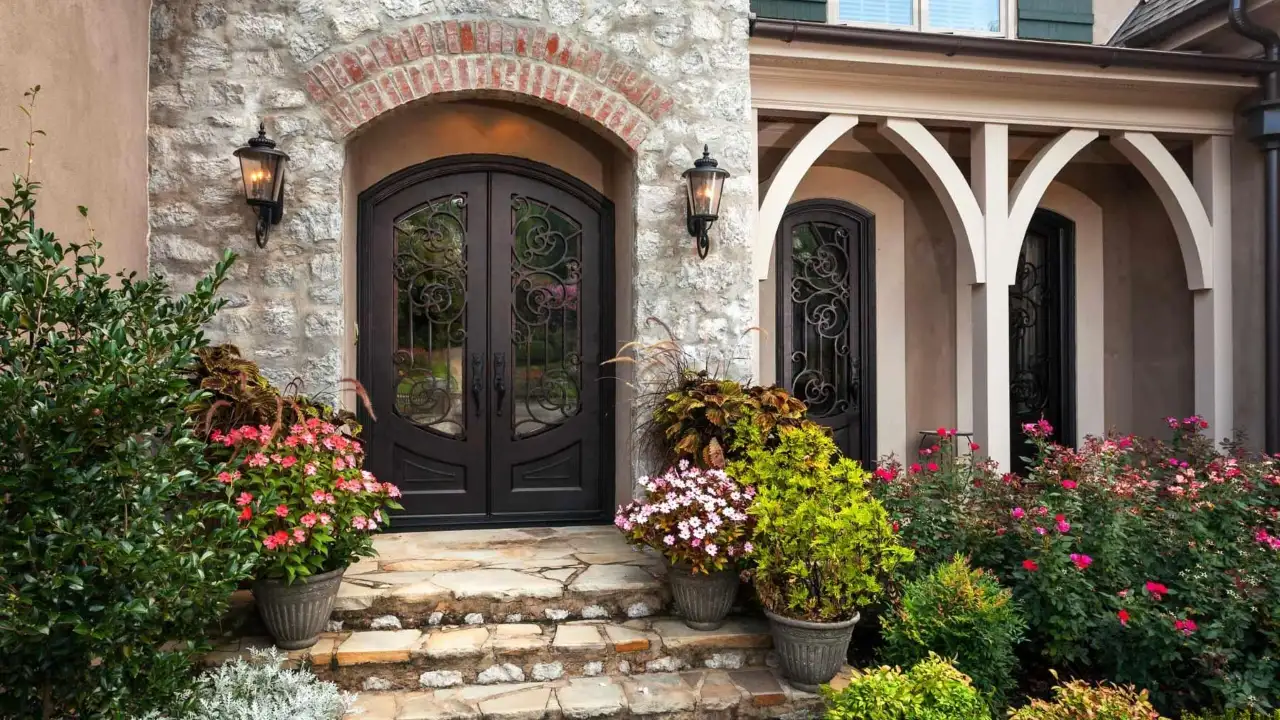
Heavy iron doors make a bold first impression. Their strength improves security, and their appearance adds visual appeal. However, correct installation is essential. One missed step can cause problems later. Planning each stage helps prevent damage or repair costs. For new builds or upgrades, a proper checklist ensures nothing is missed. Review every step before installation begins. Care at the start leads to lasting strength and smooth performance.
Foundation checks before placement of doors
Wrought iron front doors are heavy and need a solid base. The area where the frame sits must be flat and clean. No bumps, no cracks and no soft spots. The space below the door should support its full weight. Any weak spots can cause tilting or pressure on the frame. That often leads to loose hinges later. Before placing the door, the subfloor or threshold should feel firm and even. It’s best if the installer double-checks this with a level tool.
Frame measurements with proper alignment
The door frame must fit just right. If it doesn’t, things won’t close smoothly. That’s why exact measurements matter. Each side of the opening must match the frame’s size. The door should not be squeezed or forced in. Even small gaps can lead to rattling or stuck locks. A few checks with a measuring tape and level go a long way here. The better the fit, the better the performance. Precise alignment supports long-term stability.
Weatherproof seals and surface readiness
No one wants wind or rain sneaking in. That’s where sealing comes in. The edges of the door and frame must be sealed tightly. Weather seals help keep the home quiet and dry. A clean surface makes it easier for the seal to stick. Loose dust or old paint should be removed first. Around the edges, a flexible seal or foam strip adds extra protection. A door sweep at the bottom blocks outside air from slipping through.
Lock mechanisms and hinge placement verification
A strong door needs more than a strong frame. The locks and hinges matter too. They should line up perfectly with the structure.
Hinge location matters
The top and bottom hinges carry the weight. Incorrect placement may cause leaning. Hinge types vary depending on the door’s size, thickness, and overall structural demands. Proper hinge choice ensures lasting support and smooth operation.
Locks must fit right
The keyhole and latch should slide in easily. There shouldn’t be any forcing. That usually means the frame is slightly off. Proper alignment ensures smooth locking without stress on the hardware.
Check hardware strength
Screws should be tight, but not overdone. The metal around them should feel steady. When each part sits where it should, the door opens with ease. Loose screws can lead to frame shift over time.
Select the right professionals and door supplier
The supplier must provide doors that meet proper strength, size, and finish requirements. Quality materials reduce future adjustments. Homeowners should rely on teams with proven experience in wrought iron installations. This includes understanding door weight, balance, and hinge precision. References, past work, and direct communication help confirm their skill. A strong door needs skilled hands from the start. Choosing the right people leads to lasting safety and reliable performance.
Every step in the checklist builds toward long-term strength and comfort. Wrought iron front doors last longer when installed with care. Skipping even one detail can lead to trouble. Homeowners should ask questions, follow the steps, and choose skilled installers. A smooth installation means less stress and more peace of mind.
For home decor ideas, visit our site daily.