Varicose veins can be more than just a cosmetic concern: they often bring discomfort and can affect our daily lives. At Metro Vein Centers in Scottsdale, we understand the impact these veins can have and offer guidance on effective care. In this comprehensive guide, we’ll explore the causes, symptoms, and treatment options for varicose veins, alongside practical home remedies and preventative strategies that we can integrate into our routines to improve leg health and overall quality of life.
Understanding Varicose Veins
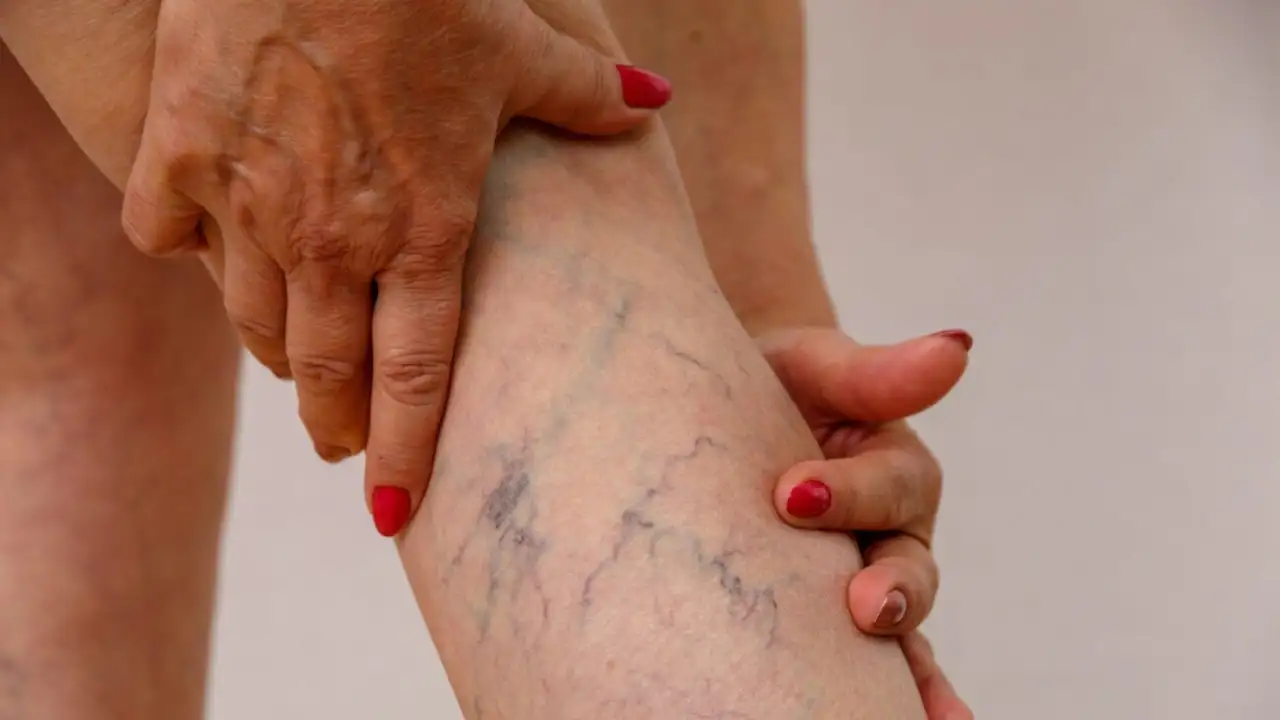
Varicose veins occur when the veins become enlarged, dilated, and overfilled with blood. They often appear swollen and raised, typically blue or dark purple. They can affect any vein in the body but are mostly found in the legs and feet.
Causes and Risk Factors of Varicose Veins
There are various factors that contribute to the development of varicose veins, including genetics, age, and hormonal changes. Some common causes include:
- Heredity: If someone in our family has varicose veins, we are at a greater risk.
- Age: As we age, our veins can lose elasticity, leading to an increased likelihood of developing varicose veins.
- Hormonal Changes: Hormonal fluctuations, particularly during pregnancy or menopause, can increase our risk.
- Prolonged Standing or Sitting: Jobs that require us to be on our feet for extended periods can exacerbate the problem.
Symptoms of Varicose Veins
While some individuals may not experience any symptoms, others may encounter various discomforts, including:
- Aching or heaviness in the legs
- Swelling in the feet and ankles
- Skin discoloration near the affected veins
- Itching or a burning sensation
- Ulcers in severe cases
Recognizing these symptoms early can help us take proactive steps toward managing the condition.
Effective Home Remedies for Varicose Veins
While professional treatments are available, there are several home remedies we can try to alleviate discomfort and manage symptoms effectively.
Lifestyle Changes to Alleviate Discomfort
Making certain lifestyle changes can make a positive impact. We can start by:
- Wearing Compression Stockings: These help support vein function and promote better blood circulation.
- Elevating Our Legs: When sitting or lying down, elevating our legs can reduce swelling and discomfort.
- Maintaining a Healthy Weight: Keeping our weight in check can reduce the pressure on our veins.
Exercise and Physical Activity
Engaging in regular physical activity is essential. Activities like walking, swimming, and cycling can improve blood circulation and strengthen veins.
- Low-Impact Exercises: Incorporating exercises like yoga or tai chi can help our overall vascular health without putting too much strain on our legs.
- Calf Raises: Simple exercises that target the calf muscles enhance blood flow through the veins in the legs.
Dietary Adjustments for Improved Vascular Health
Our diet plays a crucial role in managing varicose veins. We can:
- Increase Fiber Intake: Foods rich in fiber, such as vegetables, fruits, and whole grains, can promote healthy circulation.
- Stay Hydrated: Drinking plenty of water helps maintain blood volume and improves circulation.
- Limit Sodium: Reducing salt in our diet can minimize fluid retention and swelling.
These dietary tweaks can offer significant benefits for our vein health.
Professional Treatments for Severe Cases
In more severe cases, even though our best efforts at home, professional treatments may be necessary to manage varicose veins effectively.
Sclerotherapy and Laser Treatments
- Sclerotherapy: This minimally invasive procedure involves injecting a solution into the affected veins, causing them to collapse and fade from view over time.
- Laser Treatments: Laser therapy uses targeted light to close off small varicose veins and spider veins without the need for incisions.
Both treatments require minimal downtime and can offer significant relief from symptoms.
Preventative Measures for Varicose Veins
Prevention is always better than cure. Here are some essential preventative measures we can carry out to reduce our risk of developing varicose veins:
When to Seek Medical Attention
If we start experiencing severe symptoms, such as persistent pain, swelling, or skin changes, it is crucial to consult a healthcare professional. Early intervention can prevent further complications and help us find the most effective treatment options.
Conclusion
Caring for varicose veins involves a multifaceted approach, from understanding their causes to implementing home remedies and considering professional treatments when necessary. By making small changes in our daily routines and being proactive, we can significantly reduce discomfort and enhance our quality of life. If symptoms persist or worsen, we should not hesitate to seek medical advice to explore further treatment options.